October 27, 2026
Ruben Styl and Evi Noppe win the first KU Leuven EMD master paper award
Max van de Ven
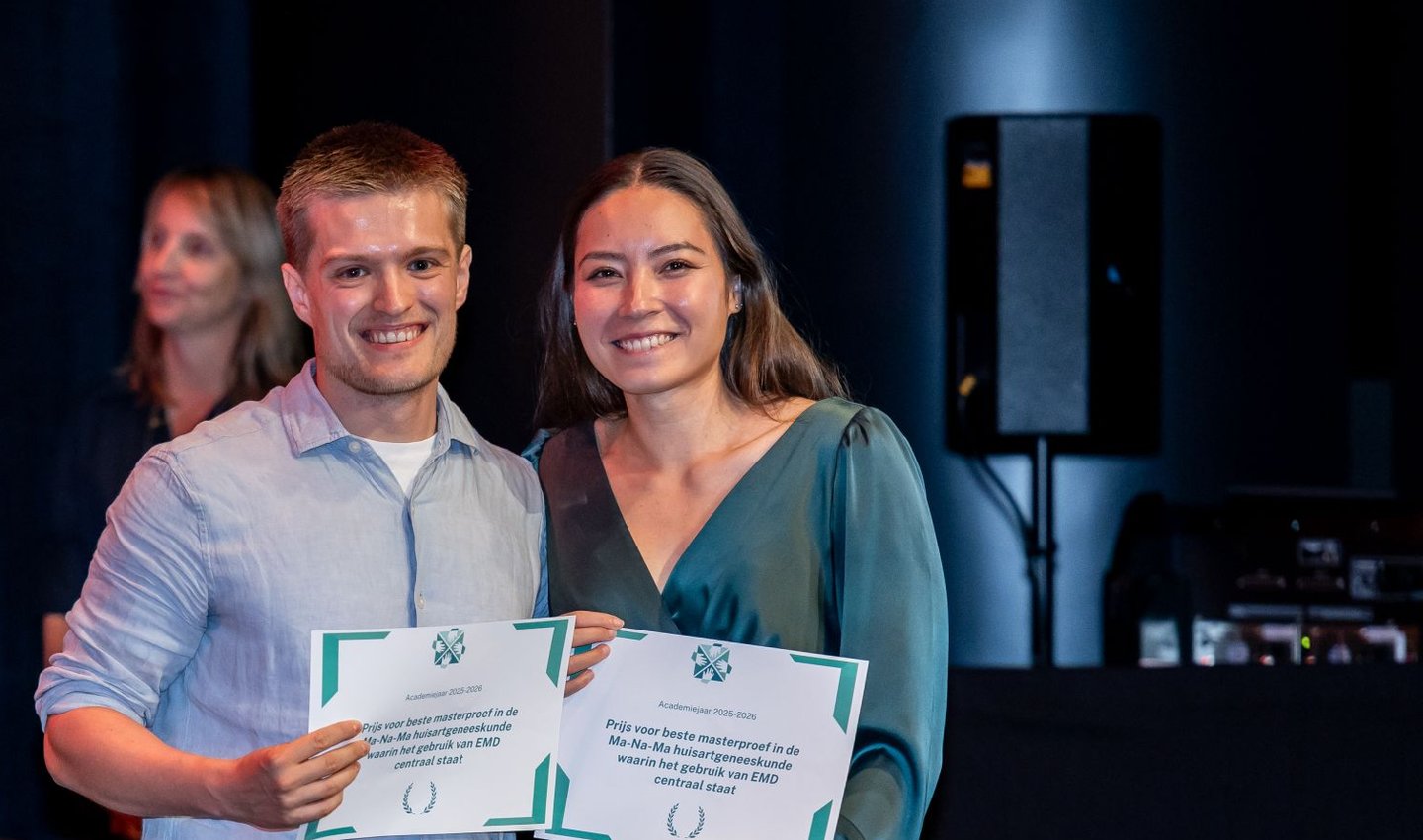
Ruben Styl, GP and CSO of Co-Medic, and Evi Noppe received the first KU Leuven EMD master paper award on 22 September. The award recognises the best master paper in the Master of General Practice (Ma-Na-Ma huisartsgeneeskunde) in which the electronic medical record (EMD) takes centre stage. They received it during the graduation ceremony for GP trainees in Antwerp, for their thesis “Improving the identification of heart failure in the EHR in general practice using HFpEF scoring systems and natural language processing”.
Why the jury chose this thesis
In June, the five theses with the highest exam scores were shortlisted. In the months that followed, a five-member jury assessed them independently. The jury chose the thesis by Ruben and Evi because it brought three things together.
1. An important clinical problem: heart failure is heavily underregistered in general practice. The OSCAR study by the Academic Centre for General Practice (ACHG) at KU Leuven had already shown this.
2. A gap in current EMD use: searching only for coded diagnoses in the problem list misses many patients, and some of the existing codes turn out to be incorrect. Extended audits partly make up for this, but they are time-consuming and rely on structured data only.
3. An innovative solution: a platform that uses large language models (LLMs) to code and structure the free text in the record, so that this information becomes searchable and usable as well.
In the study, two physicians went through the complete record looking for signs of heart failure, down to discharge letters and echocardiography reports. The platform structured and coded the free text in the same records. What the physicians found largely matched what the platform extracted from the text. The study also showed how much relevant information exists only as free text, and therefore stays invisible in an audit of structured data.
From research to practice
The same technology forms the basis of Co-Medic, which GP practices already use today. The platform structures and codes what is already in the record, and the clinical judgement stays with the physician. With Co-Medic, Ruben and the team are building on the findings of the thesis, including a heart failure overview that will be available to all GP practices next year.
“We are facing the next evolution of the EMD,” says Ruben. “As holder of the global medical record, the GP is where the complete record of the patient comes together.” The barometers, based on structured data, give GPs insight into their practice and let them compare themselves with colleagues. When those barometers are complemented with information from free text, GPs can follow up chronically ill patients in a more targeted way, update their problem lists and find what they need to set policy faster. “The building blocks are there: EMDs, barometers and automated structuring. Now it is about integrating them.”
Prof. Bert Vaes also stresses the importance of integration in his note on the award. According to him, promising applications for GPs usually run aground on integration into the EMD, and theses that demonstrate their added value can hopefully speed up that integration.
About the award
The EMD is the most important tool a GP has. When the technology works, the EMD is in harmony with the eHealth ecosystem and the GP uses it well, it can bring a lot of joy. Yet it also often leads to frustration, when GPs feel that they serve the EMD instead of the other way around. User associations can defend the interests of GPs towards the EMD developer. Medidoc, for example, had a very active user group that organised training and helped steer the development of the EMD.
When Medidoc was replaced by CareConnect in 2018, the user association was reformed into the non-profit Connect to Care. Because of the COVID-19 pandemic, the retirement of 75% of the board members and a lack of young colleagues to take over, the non-profit was recently dissolved. The board donated the remaining funds to a patronage fund at KU Leuven. That fund supports four initiatives:
- The Intego group organises training (webinars) on good use of the EMD.
- A PhD project studies good use of the EMD in general practice. As part of it, the EMD GP barometer will be launched on 16 November.
- A (national) symposium on the EMD will be held in Leuven.
- For three years, a prize of 1,500 EUR goes to the best master paper in which the EMD takes centre stage.
Ruben and Evi thank KU Leuven, and Prof. Bert Vaes in particular, who explained the history of Medidoc in his speech and told how the patronage fund came about. They also thank their supervisors Prof. Miek Smeets and Prof. Andreas Gevaert for their guidance over the past three years.
Read the full note by Prof. Bert Vaes (in Dutch) on the KU Leuven website.
Congratulations, Ruben and Evi!
Want to explore Co-Medic further?
Connect with our team or keep reading more insights from our blog archive.
Available in:
Related articles
Mar 25, 2026
Introducing Co-Medic Research: Identify patient populations in primary care
A new tool for identifying patient populations in primary care using structured clinical data, now in private beta with select partners.
Read more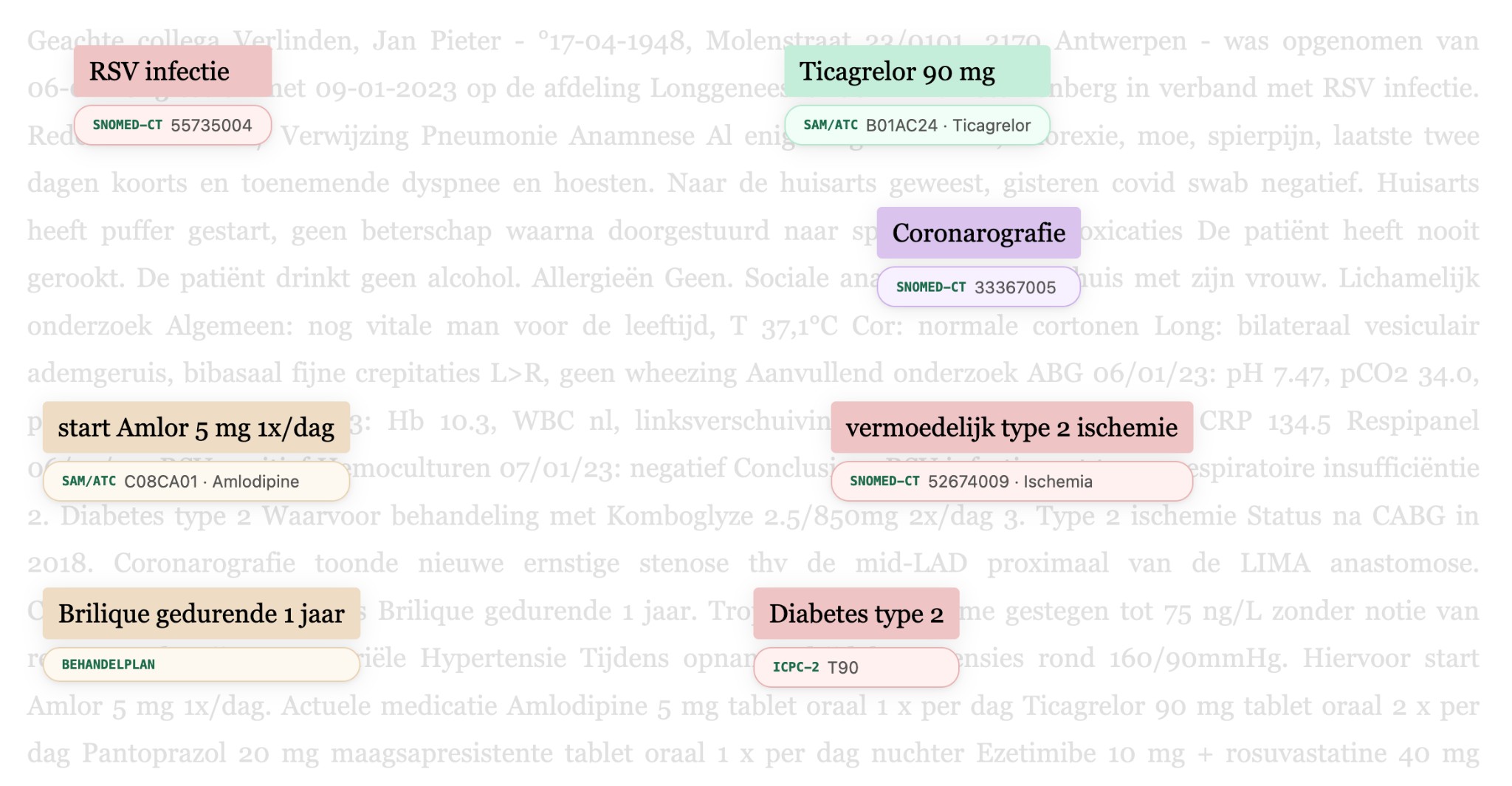
Feb 27, 2026
From letter to structured care data
How incoming specialist letters are automatically converted into coded, searchable clinical data for the general practitioner.
Read more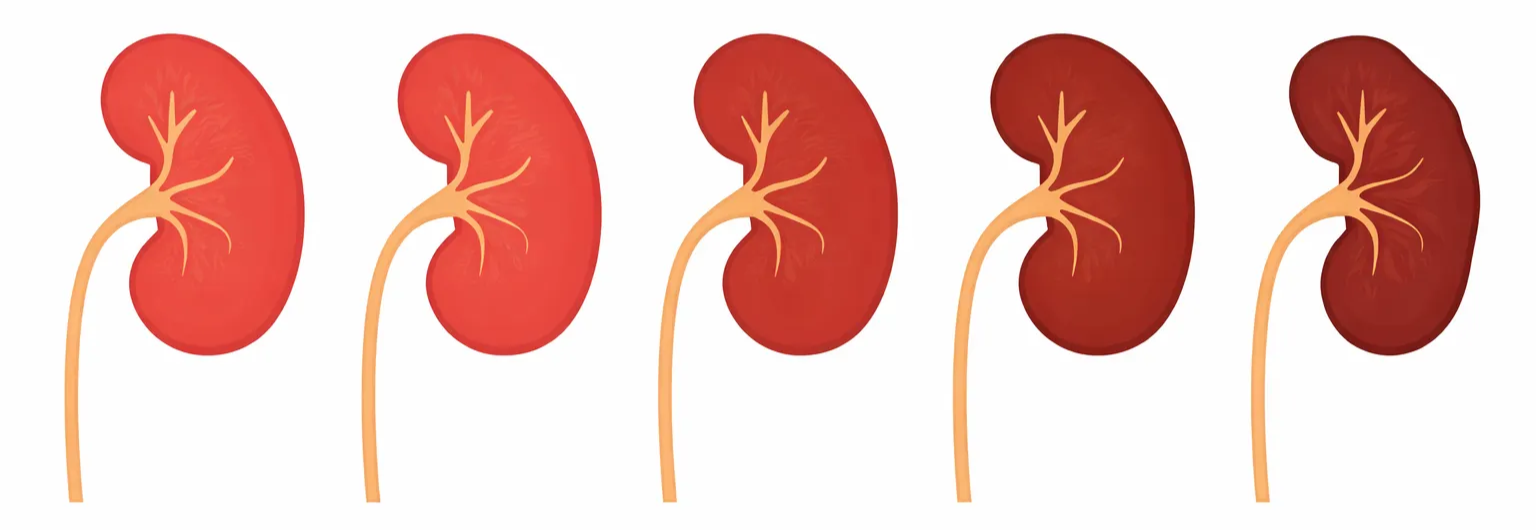
Feb 5, 2026
Chronic kidney disease: from underdiagnosis to overview with population management
CKD is often insufficiently followed up in primary care. Population management helps identify and follow patients according to guidelines.
Read more