February 5, 2026
Chronic kidney disease: from underdiagnosis to overview with population management
Max van de Ven
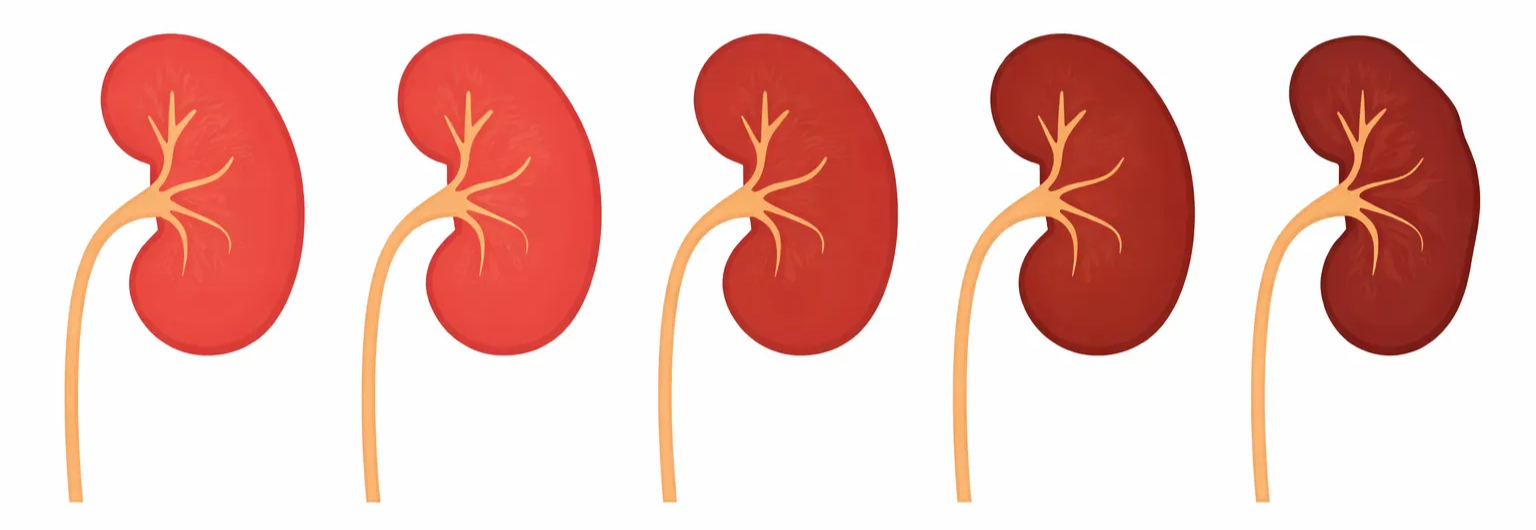
Chronic kidney disease: from underdiagnosis to overview with population management
Chronic kidney disease (CKD) is a chronic condition that is often insufficiently followed up in primary care. Not because GPs are unfamiliar with the condition, but because it is not always straightforward to follow it up in daily practice. In this article we look at the condition in more detail and discuss how population management can support identification and follow-up of CKD patients.
A silent condition
Chronic kidney disease rarely causes symptoms in early stages. Patients feel well, so the condition is only noticed when actively looked for. Symptoms tend to appear only when kidney function has already declined significantly. By then it is often too late for optimal intervention.
Moreover, the diagnosis of chronic kidney disease can only be confirmed over time. Only after repeated measurements of reduced kidney function (glomerular filtration rate) or protein in the urine over at least three months can chronic kidney damage be established. Organising this longitudinal follow-up in a structured way is often a challenge for a busy GP practice.
How big is the problem?
A large German study recently mapped the extent of underdiagnosis. Researchers analysed five years of data from 758 GP practices and followed nearly 114,000 patients who, according to KDIGO guidelines, would qualify for a kidney disease diagnosis.
The result: only 47% of patients with clear signs in lab results actually received a diagnosis. Among patients with significant proteinuria but normal kidney function, 78% went unnoticed. When a diagnosis was made, it happened on average almost a year after the first clear signs.
In Belgium too, CKD often remains under-recorded, even when lab values are available in the file. The condition is not always coded as such, making it hard to find without targeted search. Initiatives such as the Intego CKD barometer are steps in the right direction, but following up CKD in a structured way (and requesting repeat tests and/or screening where needed) remains a challenge.
The care pathway as a framework, and its limitations
In Belgium, if a patient has an estimated glomerular filtration rate (eGFR) below 45 (mL/min/1.73m²) or persistent proteinuria, they qualify for a chronic kidney disease care pathway. This pathway organises follow-up through clear agreements between patient, GP and nephrologist. Unfortunately, patients do not always adhere to these agreements, and it is difficult to track whether the necessary tests are done adequately and on time.
Furthermore, the care pathway does not cover all CKD patients. Patients with early or moderate CKD fall outside this framework. It is precisely in this category that early interventions are valuable. Progression can be slowed through further work-up of the underlying cause, optimisation of medication, better blood pressure control, and so on.
Screening: targeted and evidence-based
But how can CKD patients be identified in a targeted way? Screening the entire practice would not be very feasible. Both Domus Medica and international guidelines (KDIGO) focus screening on patients at increased risk: people with diabetes, hypertension, cardiovascular disease or a family history.
Screening is fairly simple: periodic measurement of eGFR and proteinuria (albuminuria in diabetes). If reduced kidney function is detected early, targeted interventions can help prevent patients from progressing to a more severe stage.
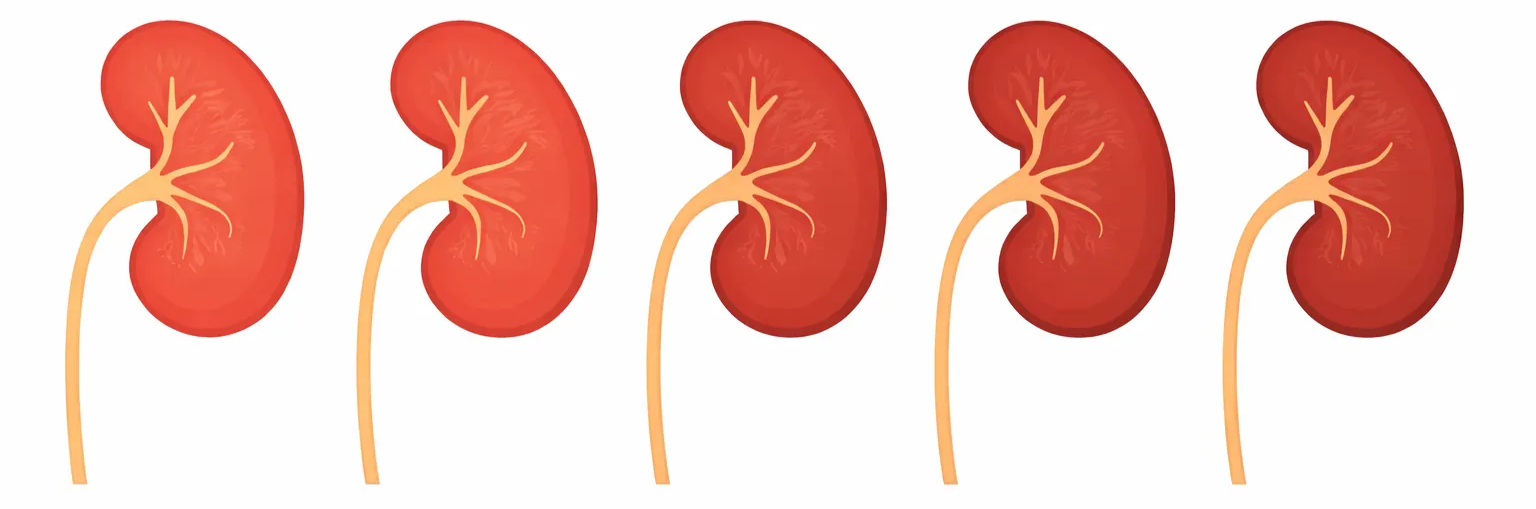
Keeping overview without extra workload
In daily practice it is difficult to follow chronic conditions systematically. In a group practice, a patient often sees different GPs or nurses. Lab values and specialist letters come in, but relevant information is sometimes missed. Patients with (risk of) CKD are not always followed up in time.
This is where population management can make a difference. A structured practice overview makes it possible to identify (at-risk) patients systematically and organise screening and follow-up at population level. Relevant parameters such as lab values, diagnoses, medication and tests can be tracked in a clear way—possibly in collaboration with the practice nurse—and patients can be invited automatically for measurements or check-ups.
For CKD this means mapping patients at increased risk, screening at-risk patients, identifying care pathways and checking that all conditions are met and that follow-up or periodic measurements have been done. It is not about more or less work, but mainly about more targeted work.
Population management as a structural approach
Population management provides a framework to organise follow-up of chronic kidney disease in a targeted way. By mapping patients systematically and according to evidence-based guidelines, the practice can work proactively instead of reactively.
For primary prevention this means screening patients with diabetes, hypertension or cardiovascular disease in time. For secondary prevention it is about targeted follow-up of patients with established CKD, with attention to the longitudinal course of the condition. With a workable overview, the GP can make clinical decisions while the practice nurse coordinates follow-up. This approach facilitates collaboration between GP and specialist, with a clear care plan for the patient.
Want to know more?
Would you like to see how population management works in practice?
On 18 February Co-Medic is organising a webinar on population management in general practice and the role of the practice nurse, in collaboration with the Vlaams Artsensyndicaat and Arteveldehogeschool.
Want to know more? View the programme here.
🗓️ Date: 18 February 2026
🕗 Time: 20:00 - 20:45
💻 Location: Online (Zoom)
Want to explore Co-Medic further?
Connect with our team or keep reading more insights from our blog archive.
Related articles
Mar 25, 2026
Introducing Co-Medic Research: Identify patient populations in primary care
A new tool for identifying patient populations in primary care using structured clinical data, now in private beta with select partners.
Read more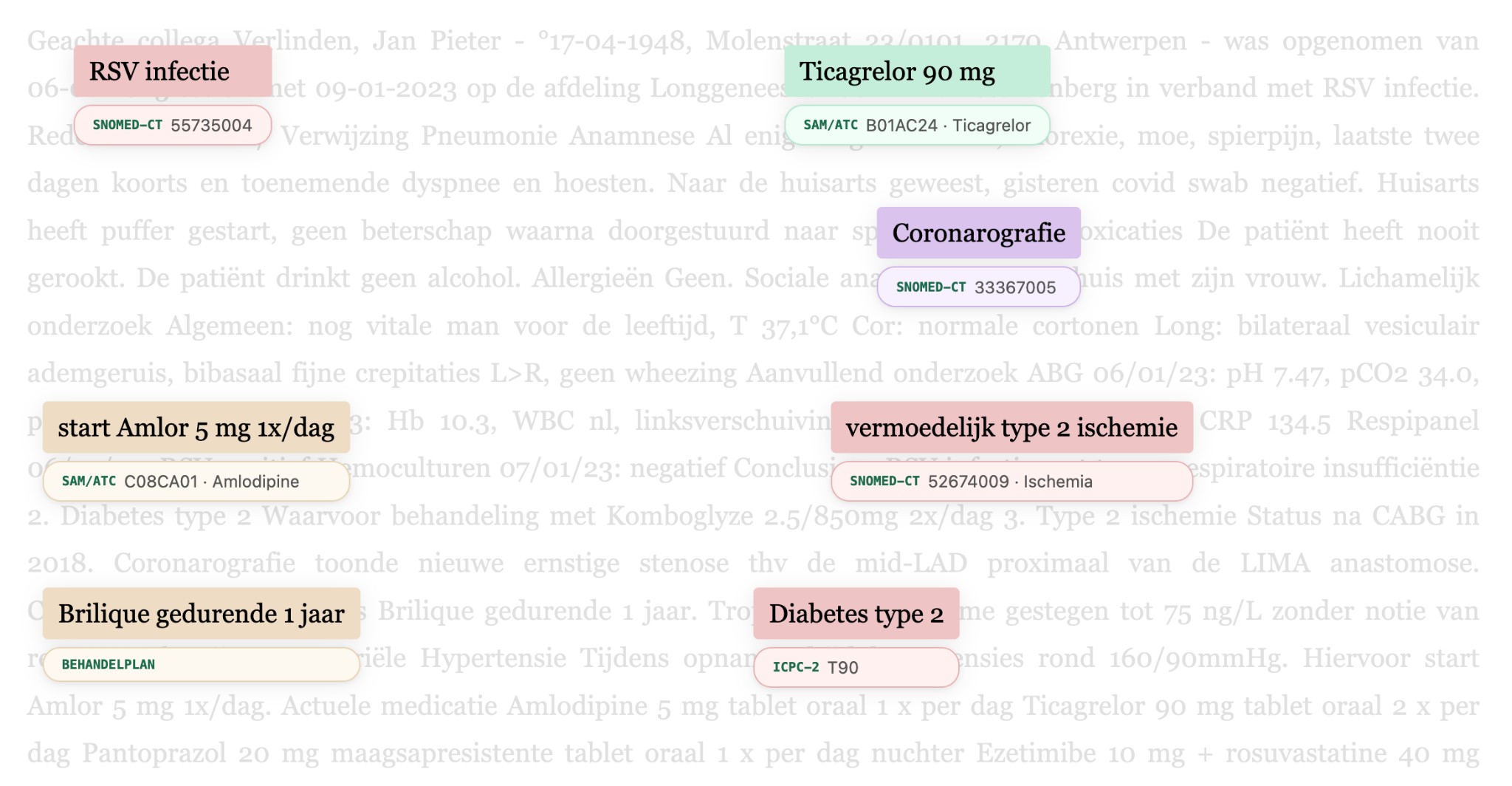
Feb 27, 2026
From letter to structured care data
How incoming specialist letters are automatically converted into coded, searchable clinical data for the general practitioner.
Read more
Jan 27, 2026
How Co-Chat relieves daily administrative tasks
Dr. Bram Spinnewijn shows how he writes referral letters during consultations with Co-Chat, without GDPR concerns.
Read more