September 29, 2023
Streamlining fall vaccination planning
Evi Noppe

Fall vaccination campaigns remain a logistical challenge for GPs. In 2023 COVID-19 vaccines once again had to be included in the planning. Because there is little central coordination, physicians—and recently also pharmacists—must organise vaccination days themselves. Domus Medica published a toolbox with practical tips, but there are still bottlenecks. There is clearly room to improve the process so that practices can work more cost- and time-efficiently. Where can Co-Medic make the difference?
Identifying target groups more accurately
This year the Belgian High Health Council recommends vaccinating three large risk groups: people at risk of complications, everyone working in healthcare and people living under the same roof as risk patients. From a vaccination standpoint there is little difference between flu and COVID-19 in these groups. Yet identifying the right patients remains difficult. Most EHR packages only offer two standard queries—one based on the GMD (global medical dossier) and one based on the full contact list—and there will be a recall query for patients who missed their appointment. In practice these queries are not precise enough.
Co-Medic is building a self-learning language model that can refine this process. Examples relevant for vaccination planning include:
- Chronic conditions: the model can automatically recognise terms that fall under “lung disease”, without having to list every individual diagnostic code in a query.
- Uncoded elements: conventional searches rely on structured codes. The language model also scans free text (letters, consultation notes) and can, for instance, identify uncoded diabetes diagnoses or people working in healthcare.
- Over-coded elements:
- Pregnancy codes often remain in the record after the pregnancy has ended; the model can remove them based on elapsed time.
- Temporary medication courses sometimes remain active. By analysing the context in which the medication was prescribed, the model can filter those out.
- Deceased patients: if they are not removed, vaccine demand is overestimated. By analysing the interval between contacts the model can flag and remove these records.
In conclusion
Organising vaccination sessions is complex, but promising innovations are on the way. By surfacing gaps in the patient record and making queries smarter, Co-Medic wants to help practices plan more accurately and free up time for patient care.
Want to explore Co-Medic further?
Connect with our team or keep reading more insights from our blog archive.
Available in:
Related articles
Mar 25, 2026
Introducing Co-Medic Research: Identify patient populations in primary care
A new tool for identifying patient populations in primary care using structured clinical data, now in private beta with select partners.
Read more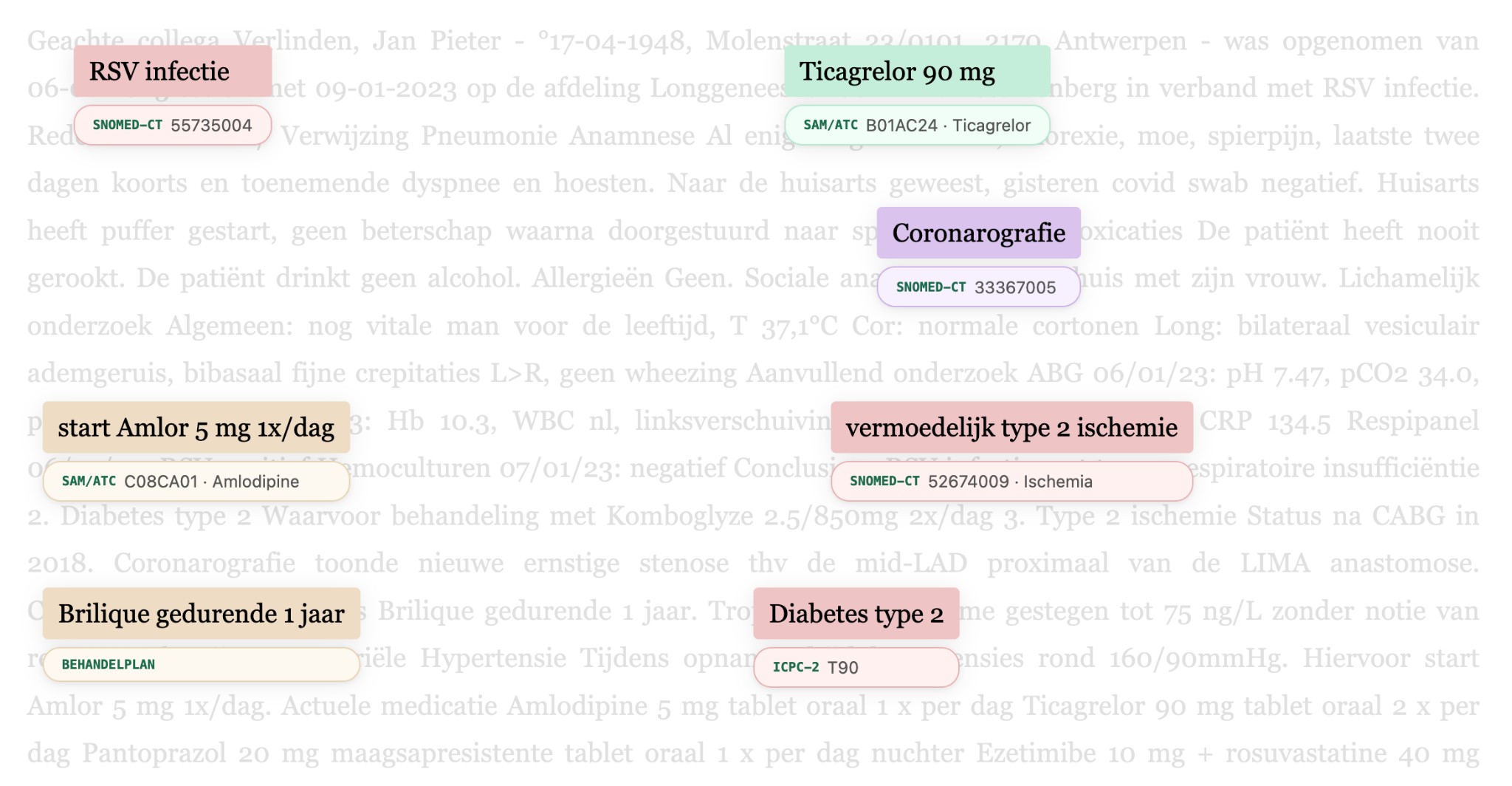
Feb 27, 2026
From letter to structured care data
How incoming specialist letters are automatically converted into coded, searchable clinical data for the general practitioner.
Read more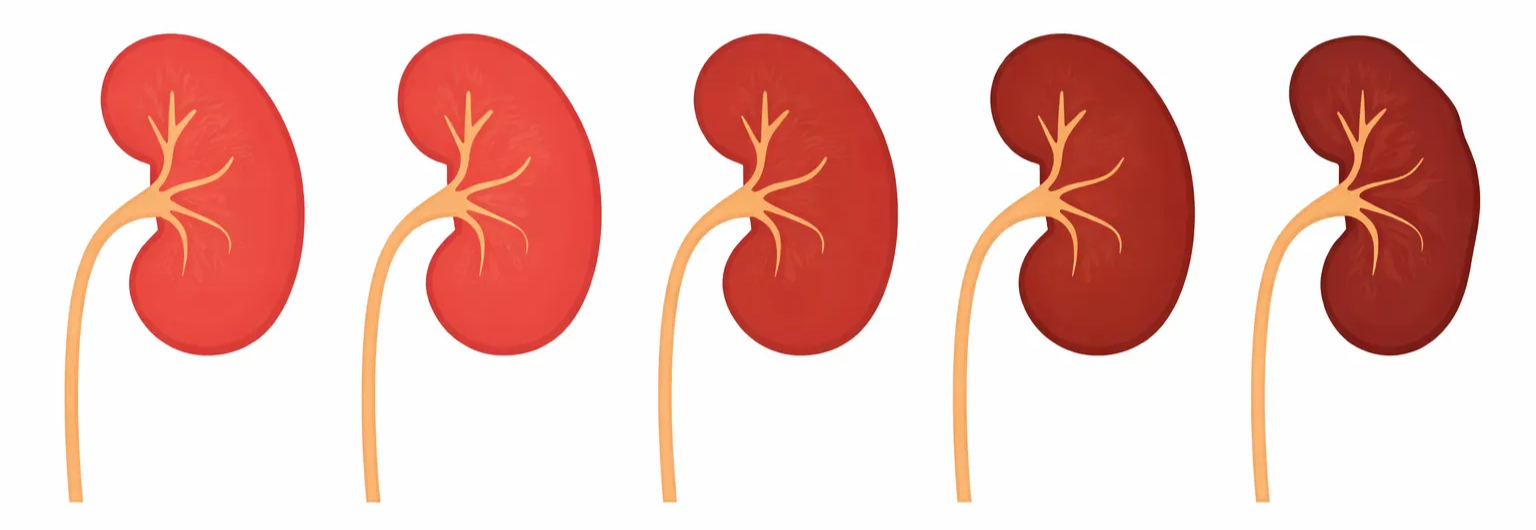
Feb 5, 2026
Chronic kidney disease: from underdiagnosis to overview with population management
CKD is often insufficiently followed up in primary care. Population management helps identify and follow patients according to guidelines.
Read more