October 1, 2023
Smart diabetes detection inside the EHR
Ruben Styl

Diabetes start trajectory: what changed and where are the bottlenecks?
Type 2 diabetes is a growing concern in Belgium. Today 1 in 10 adults receives the diagnosis and one in three is unaware of their condition. Late diagnoses increase the risk of complications, so it is essential to detect patients early and guide them with education and preventive care.
To improve early support the “voortraject diabetes” replaced the old diabetes passport in 2016. Patients gained access to reimbursed dietary counselling, foot care and education, but those education sessions were limited to specific age groups and risk profiles.
The programme only reached 10% of the target audience. Reasons include limited promotion to caregivers, yearly administrative renewals and the difficulty of identifying eligible patients inside the EHR.
This fall the programme is reformed into the “(op)start trajectory diabetes.” Its goal is to lower the threshold for good guidance. Below we summarise what is new and how GPs can identify eligible patients.
The start trajectory in practice
The trajectory is meant for all diabetes patients with a GMD who do not qualify for a care trajectory or diabetes convention—in other words, all patients controlled with oral medication and no insulin injections. Women with a history of gestational diabetes can also be included.
New nomenclature codes (400374 and 400396 for medical homes) will become active on 1 December 2023. The annual fee remains €23.5. A major improvement is that the start trajectory only needs to be billed once; afterwards it renews automatically. In 2023 GPs can already bill the new code for patients registered under the old programme.
Every participant is entitled to four education sessions per year, regardless of age or risk profile. At least one session must be delivered by a diabetes educator. Additional sessions can be provided by pharmacists, physiotherapists or nurses, provided they complete a yearly two-hour training. Two podiatry consultations and two dietician consults per year are reimbursed as well. Patients can also visit the dentist once a year for preventive care without prescription.
Just like before, the care protocol must be recorded in the medical file. The content is unchanged: a coded diagnosis, lifestyle follow-up, parameters (e.g. blood pressure and HbA1c every six months) and documented care goals. The NIHDI plans to evaluate protocol completeness in the future.
Barriers and diabetes detection inside the EHR
GPs face several hurdles when identifying candidates. Incompletely coded files make searches unreliable and the statistics modules inside many EHRs are cumbersome.
Co-Medic supports practices with a learning language model that structures raw EHR data. That allows practices to generate clear dashboards and run accurate queries.
With the Co-Medic platform GPs can efficiently review patients who may qualify for the start trajectory:
- Identifying high-risk individuals remains difficult because early diabetes often has few symptoms. Existing tools such as the health compass (based on FINDRISC) can be enriched with Co-Medic’s model, which scans the full record for uncoded FINDRISC elements and calculates a risk score. Hidden diabetics and risk patients can then be flagged for fasting glucose testing.
- Detecting eligible diabetics becomes easier when you can search for all diabetics without insulin injections who are controlled on oral medication—currently hard to do in standard statistics modules. The model can also detect uncoded diabetes diagnoses via free text in notes and letters.
- Monitoring the care protocol shows which data points are missing so the team can complete them. Tasks can be delegated to nursing or admin staff, freeing up time for direct patient care.
In short, Co-Medic helps practices obtain a complete overview of their diabetes population quickly. Want to explore how we can support your team? Get in touch.
Want to explore Co-Medic further?
Connect with our team or keep reading more insights from our blog archive.
Available in:
Related articles
Mar 25, 2026
Introducing Co-Medic Research: Identify patient populations in primary care
A new tool for identifying patient populations in primary care using structured clinical data, now in private beta with select partners.
Read more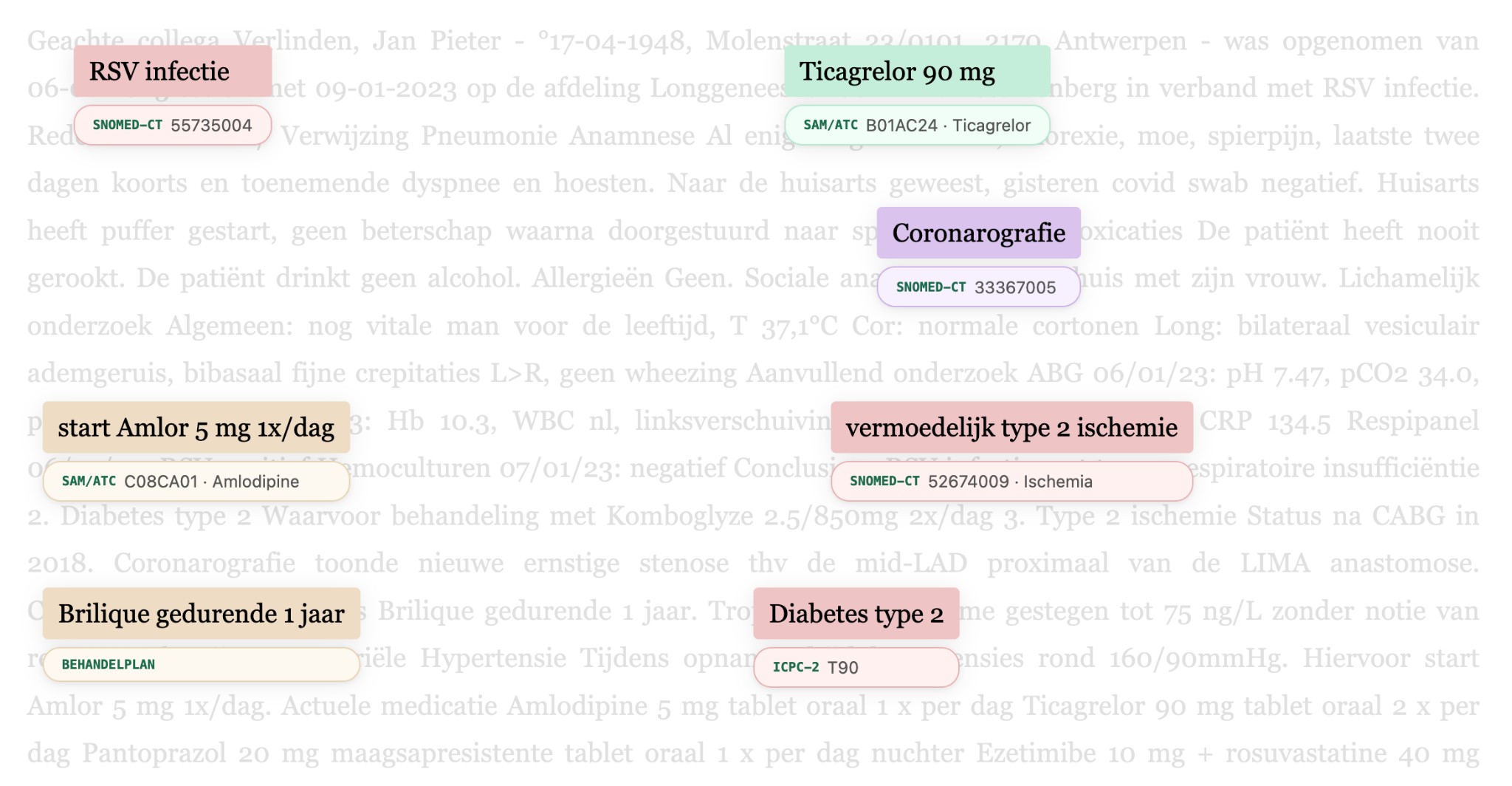
Feb 27, 2026
From letter to structured care data
How incoming specialist letters are automatically converted into coded, searchable clinical data for the general practitioner.
Read more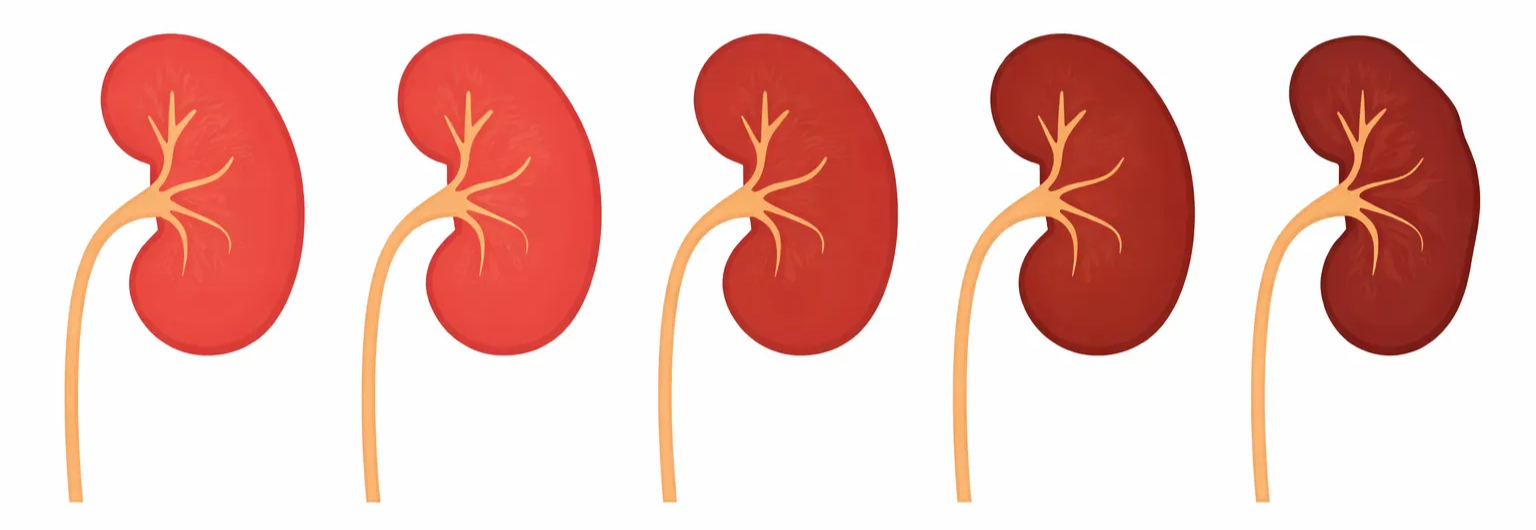
Feb 5, 2026
Chronic kidney disease: from underdiagnosis to overview with population management
CKD is often insufficiently followed up in primary care. Population management helps identify and follow patients according to guidelines.
Read more