January 15, 2026
Practice case: 4 hours time savings with Co‑Chat
Max van de Ven
From scattered dossier to clear overview in minutes
How Co-Chat saves a general practitioner four hours of work per dossier
Crucial medical information is scattered across the entire patient dossier in many practices. Consultation reports in free text, discharge letters as attachments, and procedures or imaging without clear chronology make it difficult to quickly form a complete and reliable clinical picture.
For dr. Eva Hoet, general practitioner at Huisartsen Lange Velden, this is daily reality. Especially with patients who have a long or complex history, bringing together all relevant information takes a lot of time. Time that is often lacking during or before a consultation.
The challenge: important context is hidden in the dossier
Although EMRs are increasingly structured, a large part of clinically relevant context remains in free text. Think of:
- history described in specialist letters
- procedures or hospitalizations without clear coding
- psychosocial elements scattered across multiple consultations
- imaging whose indication is not immediately visible
In practice, this means that doctors and practice staff must constantly search, read, and interpret to get a correct overall picture. Manually building a chronological overview takes disproportionately much time.
One targeted analysis instead of hours of searching
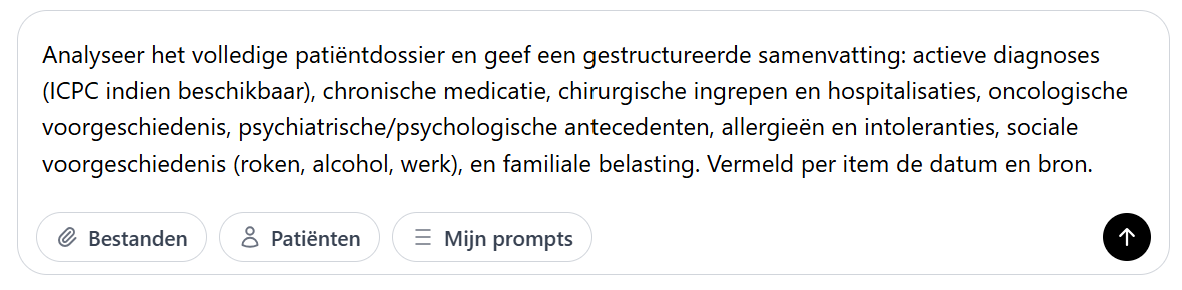
To save time, dr. Hoet uploads a PMF export of a patient dossier into Co-Chat and uses an extensive checklist prompt to analyze the dossier. Co-Chat processes both structured data and all free text and automatically brings them together in one overview.
This overview includes, among other things:
- care elements (coded and non-coded)
- surgical procedures and interventions
- imaging with indication
- conditions per clinical domain
- lifestyle, allergies, family history, and medication
- everything built chronologically with clear date indication
As she herself summarizes:
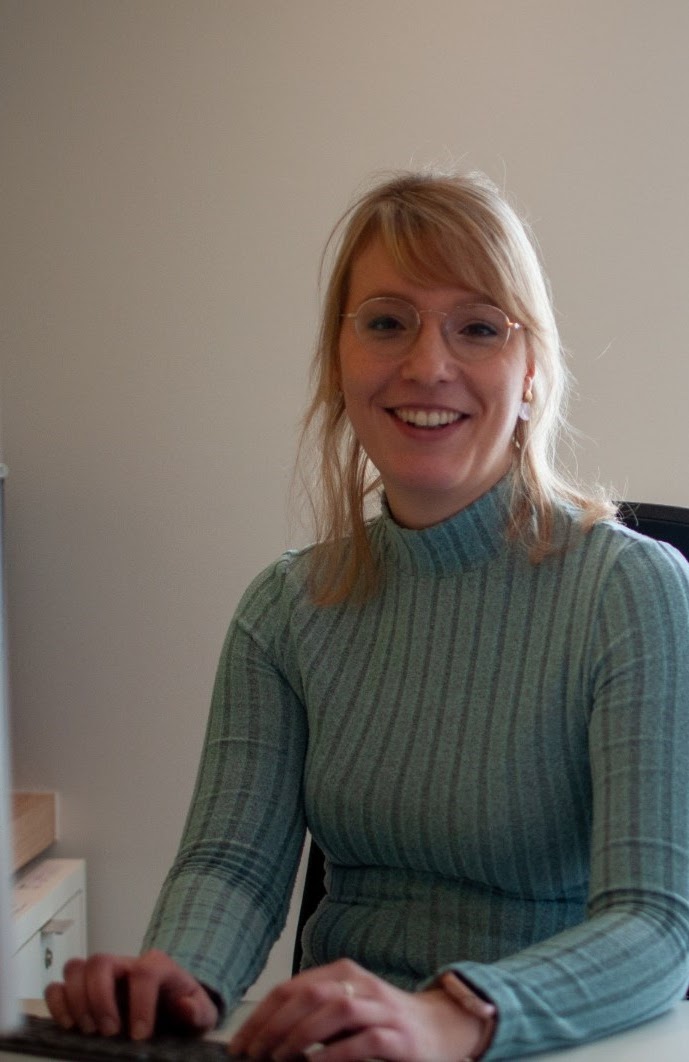
"For me, four hours of work saved."
Added value for the entire practice team
The added value of such a structured dossier analysis is not limited to the general practitioner alone. Practice nurses and other care workers also work faster and more targeted with the same information.
Because relevant data is brought together per domain and chronologically, they can:
- quickly check whether protocols are being followed correctly, such as cardiovascular risk management, follow-up of type 2 diabetes, or preventive screenings
- prepare consultations in a targeted manner
- detect missing or outdated data faster
- understand complex dossiers without having to plow through the entire dossier
This supports more efficient task distribution within the team and ensures that everyone works with the same, current information.
From raw data to usable clinical overview
The workflow remains simple:
- upload dossier data, for example via a PMF export
- analysis of structured data and free text according to own instructions
- clear output per category and in chronological order
The result is not a summary, but a clinically usable overview that can be immediately deployed in practice.
Less searching, more care
This practice case shows how existing dossier data can already deliver much more value today. By making context from free text accessible, Co-Chat helps to gain insight faster without additional registration burden.
Experience for yourself what this could mean for your practice?
Try Co-Chat for freeWant to explore Co-Medic further?
Connect with our team or keep reading more insights from our blog archive.
Related articles
Mar 25, 2026
Introducing Co-Medic Research: Identify patient populations in primary care
A new tool for identifying patient populations in primary care using structured clinical data, now in private beta with select partners.
Read more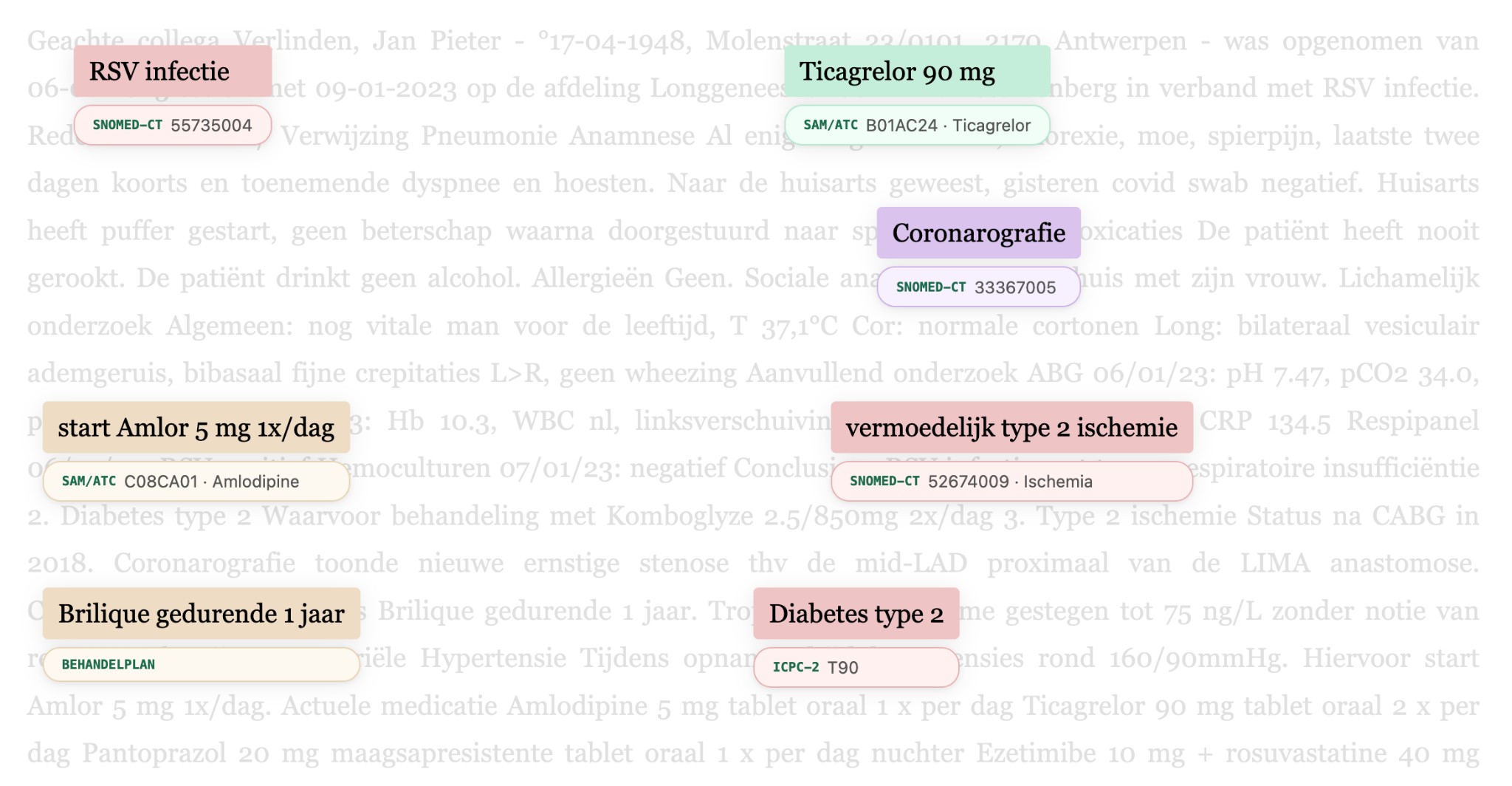
Feb 27, 2026
From letter to structured care data
How incoming specialist letters are automatically converted into coded, searchable clinical data for the general practitioner.
Read more
Feb 5, 2026
Chronic kidney disease: from underdiagnosis to overview with population management
CKD is often insufficiently followed up in primary care. Population management helps identify and follow patients according to guidelines.
Read more