January 6, 2026
Efficient letter processing in a group practice: where do you start?
Max van de Ven
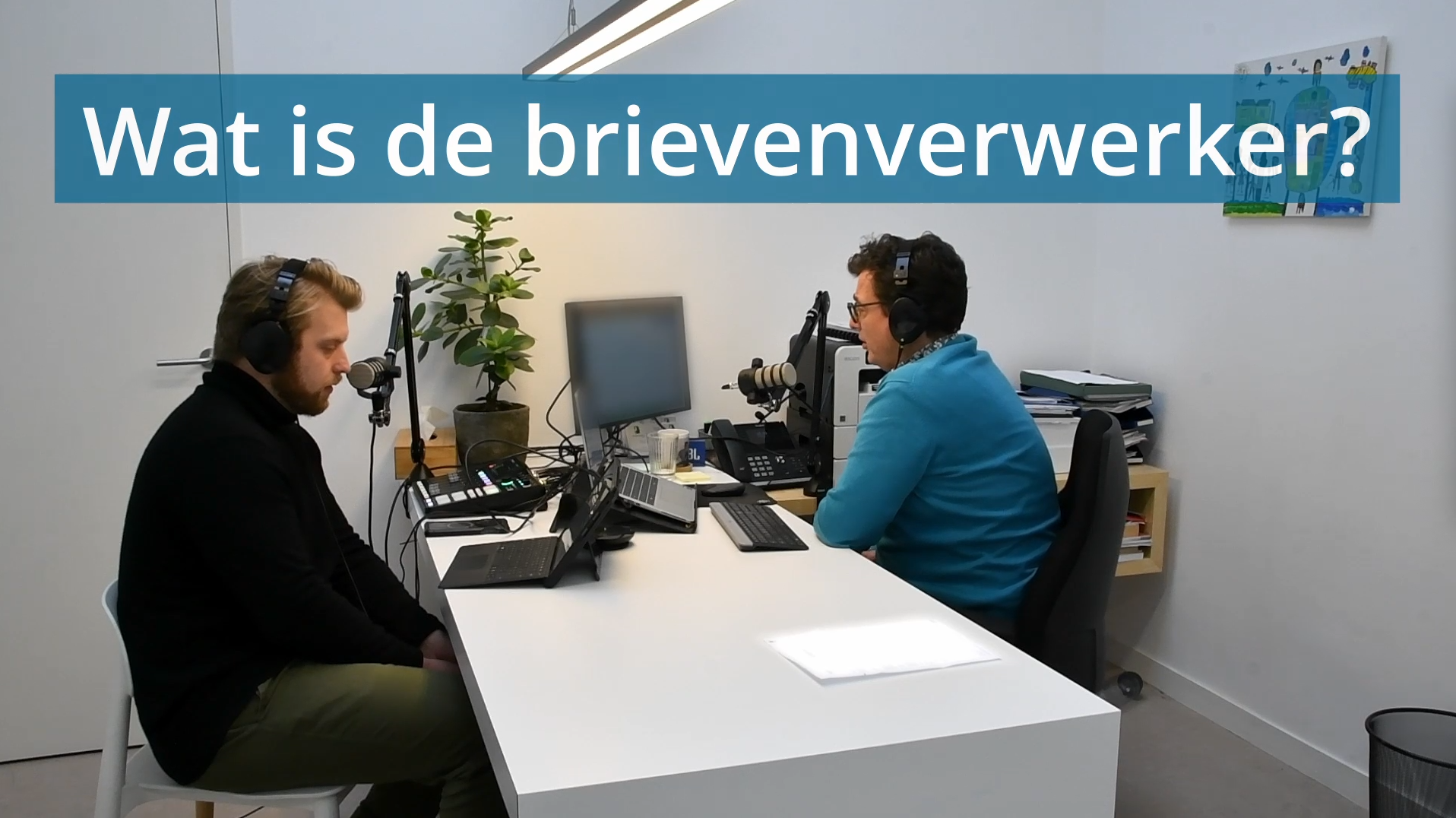
Efficient letter processing in a group practice: where do you start?
Not everyone is present at the practice every day, but important correspondence cannot be left unattended. Dr. Bram Spinnewijn shares how his team organizes daily correspondence with Co-Medic.
Data flows in a multidisciplinary practice
De Wijkpraktijk in Antwerp has been operating as a medical home since 2017. The team consists of three general practitioners, two GPs in training, four practice nurses, two primary care psychologists, a dietitian, a movement therapist, and administrative support.
An extensive team, indeed. And that brings a substantial flow of medical correspondence: about 150 pages of incoming communication per day.
The challenge: processing efficiently without missing anything
Before using the letter processor, everything went through the EMR. That meant: clicking open documents letter by letter, waiting for everything to load, and then manually copying and pasting text before it could be placed in the medical history or problem list.
“We were easily spending more than an hour a day on letter processing,” says Dr. Spinnewijn. “For all doctors combined, it added up to about two and a half hours of administration per day. And we thought we were super efficient.”
An additional problem in a group practice: not everyone is present every day. Sometimes colleagues are on vacation. Without a clear system, letters remain unprocessed, or they get read twice.
The solution: one doctor screens, everyone processes
With Co-Medic’s letter processor, De Wijkpraktijk has developed a clear workflow.
Each day, one doctor is assigned to screen all incoming mail. They don’t read every letter completely, but assess based on the AI summary whether action is needed that same day. Think of a patient who has had a heart attack, or a radiology report showing a fracture.
“Those kinds of things cannot wait,” emphasizes Dr. Spinnewijn. “The doctor screening that day marks the letter as read and signals to the group where necessary.”
Additionally, each doctor remains responsible for their own correspondence. The letter processor automatically assigns letters to the treating physician, and you can easily filter for your own mail. Whether those letters have already been viewed by someone else or not doesn’t matter: you process them yourself and note the relevant information in the file.
“When I’m at the practice early in the morning, I have all my mail processed in twenty minutes,” says Dr. Spinnewijn. “The result is that the colleague who screens doesn’t have to read my letters again. This saves double work.”
Quality over time savings
Dr. Spinnewijn prefers to speak about quality gains rather than time savings.
“I hope that the time we free up goes toward improving other tasks. Not less administration, but more meaningful administration.”
The concrete gain lies in the speed at which information correctly ends up in the patient file. The summary of a specialist letter no longer needs to be manually rewritten. With a few clicks, the relevant information is in the problem list or medical history.
The result: files that are updated daily, instead of with delay. And a way of working that feels noticeably calmer. “No more hourglasses to wait for,” summarizes Dr. Spinnewijn.
This improved workflow also brings advantages in the details. When a birth or death announcement comes in, the practice assigns that letter to the secretariat. The secretariat only sees the letters assigned to them and can then quickly send a card to the family in question.
“I believe patients can appreciate that,” concludes Dr. Spinnewijn.
Watch the full conversation with Dr. Bram Spinnewijn about letter processing at De Wijkpraktijk below.
Want to explore Co-Medic further?
Connect with our team or keep reading more insights from our blog archive.
Related articles
Mar 25, 2026
Introducing Co-Medic Research: Identify patient populations in primary care
A new tool for identifying patient populations in primary care using structured clinical data, now in private beta with select partners.
Read more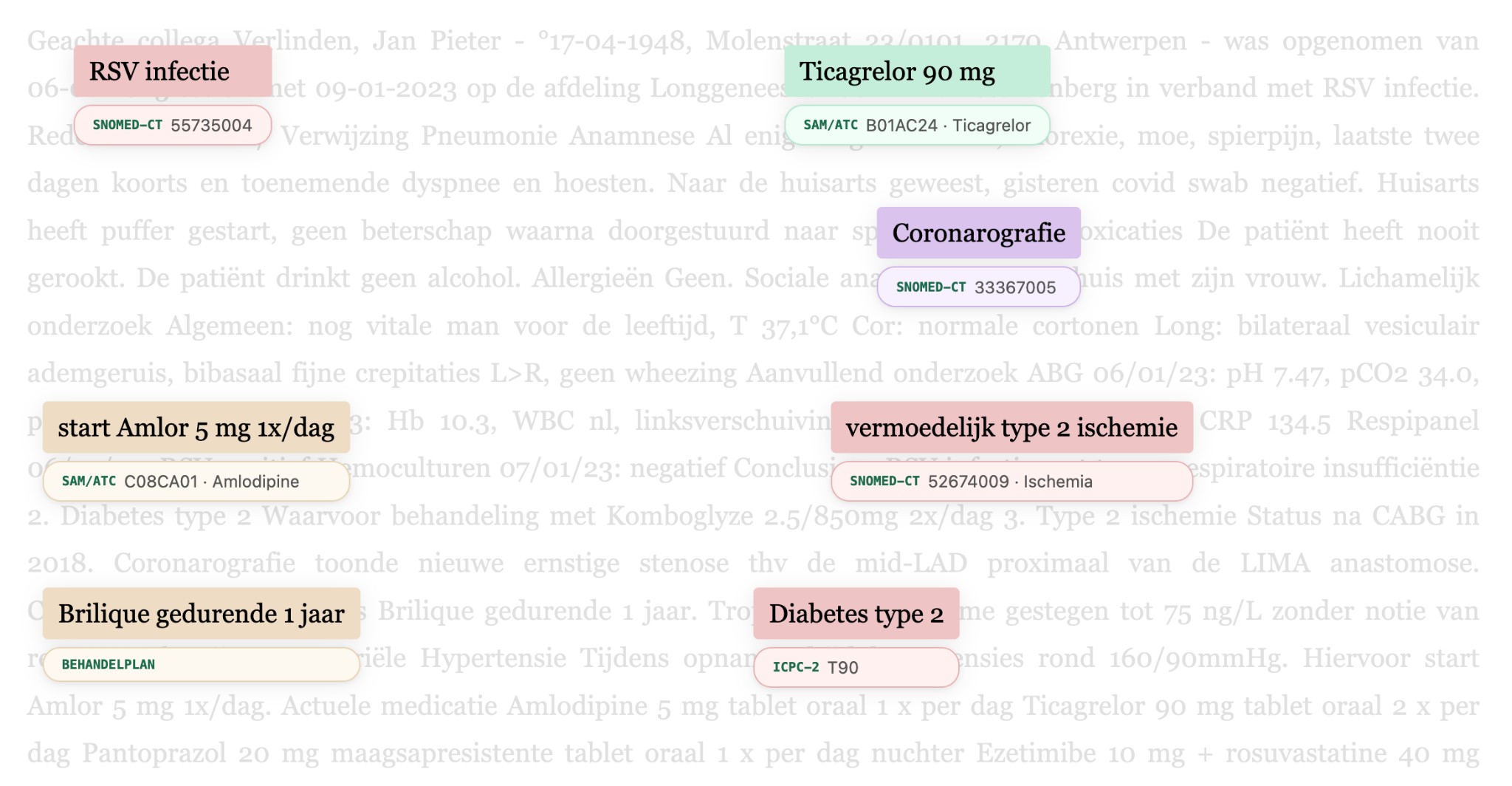
Feb 27, 2026
From letter to structured care data
How incoming specialist letters are automatically converted into coded, searchable clinical data for the general practitioner.
Read more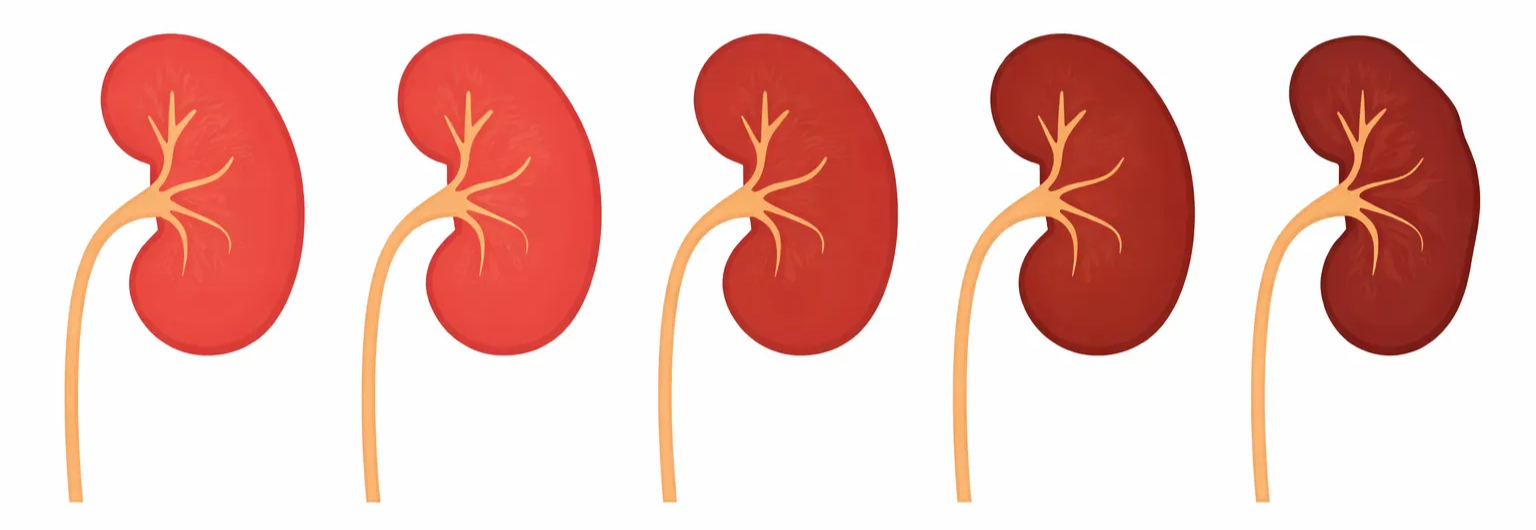
Feb 5, 2026
Chronic kidney disease: from underdiagnosis to overview with population management
CKD is often insufficiently followed up in primary care. Population management helps identify and follow patients according to guidelines.
Read more